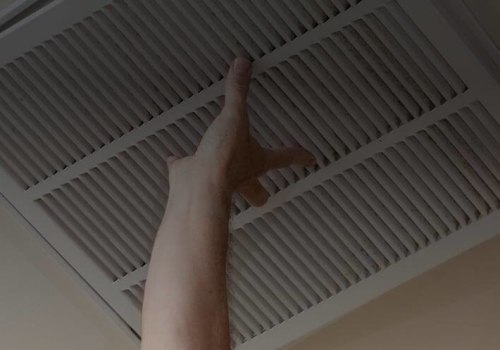
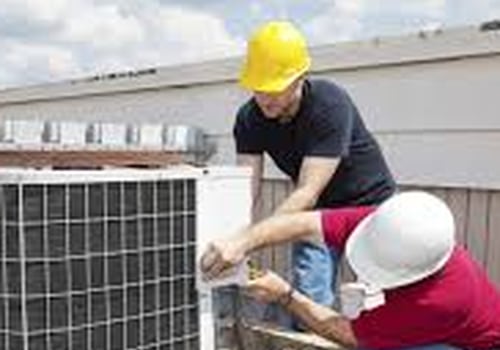
If you are asking what an HVAC tune up in Longwood actually includes, it should involve much more than a fast once-over. In our experience, the most valuable tune ups are the ones that go beyond basic checks and focus on how the system is truly performing under Florida conditions. That means looking closely at the components that affect airflow, cooling efficiency, energy use, and overall reliability. On this page, you will get a clearer breakdown of what a thorough tune up should include, why each step matters, and how to tell the difference between a routine visit and service that actually helps prevent breakdowns and extend system life.
TL;DR Quick Answer
HVAC Tune Up in Longwood
An HVAC tune up in Longwood typically includes a full system inspection, cleaning of key components, performance testing, and safety checks.
A thorough tune up often covers:
Air filter inspection
Coil and drain line check
Electrical connection inspection
Moving parts lubrication
In our experience, the most effective tune ups do more than check boxes. They help catch small issues early, improve efficiency, support stronger cooling performance, and reduce the risk of costly breakdowns in Florida’s demanding heat and humidity.
Top Takeaways
HVAC tune ups include:
Inspection
Cleaning
Performance testing
Safety checks
A quality tune up does more than a quick visual check.
It is especially important in Longwood’s heat and humidity.
Common service items include:
Thermostat check
Air filter inspection
Coil check
Drain line check
Electrical inspection
Airflow testing
Regular tune ups can help:
Reduce system wear
Prevent unexpected breakdowns
The biggest benefit:
Small issues can be found early
A proper HVAC tune up in Longwood should include more than a fast inspection and a few routine checks. It should be a focused service visit that helps your system run efficiently, cool consistently, and handle Florida’s heat and humidity with less strain. For most homeowners, the value of a tune up is not just in what gets cleaned or tested, but in what potential problems get caught before they turn into larger repairs.
In most cases, a thorough tune up starts with an overall system inspection. This often includes checking the thermostat, examining the air filter, reviewing electrical connections, testing system controls, and looking for visible signs of wear. From there, the technician may inspect and clean important components such as the condenser coil, evaporator coil, and condensate drain line, since buildup and blockage in these areas can reduce performance and create avoidable issues.
A complete HVAC tune up should also include performance testing. That may involve checking airflow, measuring temperature split, evaluating refrigerant condition or levels when needed, and confirming the system is cycling correctly. In our experience, this is where the difference between a basic visit and a valuable tune up becomes clear. A service that only glances at the equipment may miss early warning signs, while a more detailed tune up can reveal inefficiencies, airflow restrictions, drainage problems, or electrical concerns before they lead to breakdowns.
For homeowners in Longwood, regular tune ups are especially important because HVAC systems often work hard for much of the year. Consistent maintenance can help improve energy efficiency, support better indoor comfort, reduce wear on parts, and extend the life of the equipment. It can also give you a clearer picture of your system’s condition so you can plan ahead instead of reacting to an unexpected failure.
The bottom line is that an HVAC tune up in Longwood should include inspection, cleaning, testing, and preventive attention to the parts that matter most. When done thoroughly, it helps your system perform better, last longer, and stay more reliable when you need it most.

“In our experience, the most effective HVAC tune ups are the ones that do more than check boxes—they show how the system is actually performing under Longwood’s year-round heat and humidity. When a tune up includes careful inspection, cleaning, and real performance testing, it becomes a practical way to catch small issues early, protect efficiency, and build long-term system reliability.”
Essential Resources
Check Florida HVAC Licensing Before You Book
Use Florida’s official license search to verify that the contractor you are considering is properly licensed and in good standing. This is one of the smartest first steps for making a more informed service decision.
URL: https://www.myfloridalicense.com/wl11.asp
Review Longwood Permit and Inspection Information
If a tune up leads to a bigger repair or equipment recommendation, Longwood’s permitting resources can help you understand what local approval or inspection steps may apply. The city’s Building Division handles permit applications, reviews, inspections, and certificates of occupancy.
URL: https://www.longwoodfl.org/169/Permitting-and-Inspections
Learn What Proper AC Maintenance Should Include
The U.S. Department of Energy outlines the core maintenance items that matter, including filters, coils, fins, and refrigerant lines. This gives homeowners a reliable benchmark for what a thorough HVAC tune up should actually cover.
URL: https://www.energy.gov/energysaver/air-conditioner-maintenance
Use the ENERGY STAR Maintenance Checklist as a Service Standard
ENERGY STAR provides a practical maintenance checklist that includes thermostat checks, electrical connections, and motor testing. It is a useful resource for comparing a basic visit with a more complete tune up.
URL: https://www.energystar.gov/saveathome/heating-cooling/maintenance-checklist
Understand Homeowner Refrigerant Guidance Before Approving Extra Work
EPA’s homeowner resource explains what consumers should know when purchasing, maintaining, or disposing of home air-conditioning equipment. This is especially valuable if a technician raises refrigerant-related concerns during a tune up.
URL: https://www.epa.gov/section608/stationary-refrigeration-resources-homeowners
Review EPA Consumer FAQs on Older Refrigerants and Service Decisions
EPA’s consumer FAQ helps explain refrigerant phaseouts and common homeowner questions tied to air-conditioner service and replacement decisions. It can help you ask sharper questions if your system uses older refrigerants such as R-22.
URL: https://www.epa.gov/ods-phaseout/homeowners-and-consumers-frequently-asked-questions
Check Equipment Eligibility for Federal Efficiency Tax Credit Support
DOE’s product lookup tool can help you confirm whether a system qualifies for the Federal Energy Efficient Home Improvement tax credit. This becomes useful if a tune up uncovers bigger efficiency or replacement considerations.
URL: https://www.regulations.doe.gov/product-lookup/
Supporting Statistics
Neglected maintenance can increase energy use.
In our experience, overdue tune ups often show up as weaker performance and higher utility costs.
The U.S. Department of Energy says neglected maintenance lowers AC performance.
DOE also says cleaning a dirty filter alone can reduce energy use by 5% to 15%.
Source: https://www.energy.gov/energysaver/air-conditioner-maintenance
Cooling uses a large share of household electricity.
This is one reason tune ups can have real value in Longwood.
The U.S. Energy Information Administration reports that air conditioning made up 19% of residential electricity use in 2020.
Source: https://www.eia.gov/energyexplained/use-of-energy/electricity-use-in-homes.php
Heating and cooling are major home energy loads.
HVAC systems affect comfort.
They also affect long-term operating costs.
That makes preventive service more important.
EIA says 52% of a U.S. household’s annual energy consumption in 2020 went to space heating and air conditioning.
Source: https://www.eia.gov/energyexplained/use-of-energy/homes.php
Indoor air quality matters.
A tune up is not only about system performance.
It also supports airflow and overall indoor comfort.
EPA says Americans spend about 90% of their time indoors.
EPA also says some indoor pollutant levels are often 2 to 5 times higher than outdoor levels.
Source: https://www.epa.gov/report-environment/indoor-air-quality
Air conditioning is common in U.S. homes.
Routine HVAC service is a standard need, not a niche one.
DOE says 88% of U.S. homes have air conditioning.
DOE also says 66% have central systems.
Maintenance works best with other efficiency steps.
In our experience, the best results come from tune ups plus smart system care.
DOE says combining maintenance with upgrades and efficiency improvements can reduce heating and cooling energy use by 20% to 50%.
Source: https://www.energy.gov/energysaver/why-energy-efficiency-matters
Final Thoughts & Opinion
A proper HVAC tune up in Longwood should do more than cover the basics. It should inspect, clean, test, and help catch small issues early.
In our experience, the most valuable tune ups are the ones that focus on real system performance, not just a quick checklist.
Why it matters
Supports better indoor comfort
Reduces unnecessary system strain
Lowers the risk of surprise breakdowns
Our perspective
A basic visit may only confirm that the system turns on.
A thorough tune up shows how well the system is actually running.
That difference can affect comfort, energy use, and long-term reliability.
Bottom line
HVAC tune ups should be viewed as preventive protection
They are especially important in Longwood’s hot, humid climate
When done thoroughly, they help protect both system performance and peace of mind

FAQ on HVAC Tune Up in Longwood
Q: What is usually included in an HVAC tune up in Longwood?
A: A quality tune up usually includes:System inspection
Component cleaning
Thermostat testing
Airflow review
Electrical checks
Filter inspection
Performance testing
In our experience, the best tune ups also help catch small problems early.
Q: How often should you schedule an HVAC tune up in Longwood?
A: Most homes should schedule service:Once a year at minimum
Twice a year for more consistent upkeep
In Longwood’s heat and humidity, regular tune ups can help support better efficiency and reliability.
Q: Is an HVAC tune up really worth it?
A: In many cases, yes.Main benefits include:
Better system performance
Less strain on equipment
Improved comfort
Stronger energy efficiency
Lower risk of breakdowns
Q: How long does an HVAC tune up usually take?
A: Most tune ups take:About 1 to 2 hours
Timing can vary based on:
System size
System condition
Service depth
Any issues found during inspection
Q: What is the difference between a basic check and a full tune up?
A: A basic check usually confirms the system is running.A full tune up goes further by:
Inspecting key parts
Cleaning critical components
Testing performance
Looking for early warning signs
In our experience, that extra depth is where the real value comes from.
Take the Next Step With an HVAC Tune Up in Longwood
If you want a clearer picture of what your system needs, scheduling an HVAC tune up in Longwood is a smart next step. It can help catch small issues early, support better performance, and give you more confidence in your system year-round.
Learn more about HVAC Care from one of our HVAC solutions branches…
Filterbuy HVAC Solutions - Miami FL - Air Conditioning Service
1300 S Miami Ave Apt 4806 Miami FL 33130
(305) 306-5027
Filterbuy HVAC Solutions - Miami FL - Air Conditioning Service